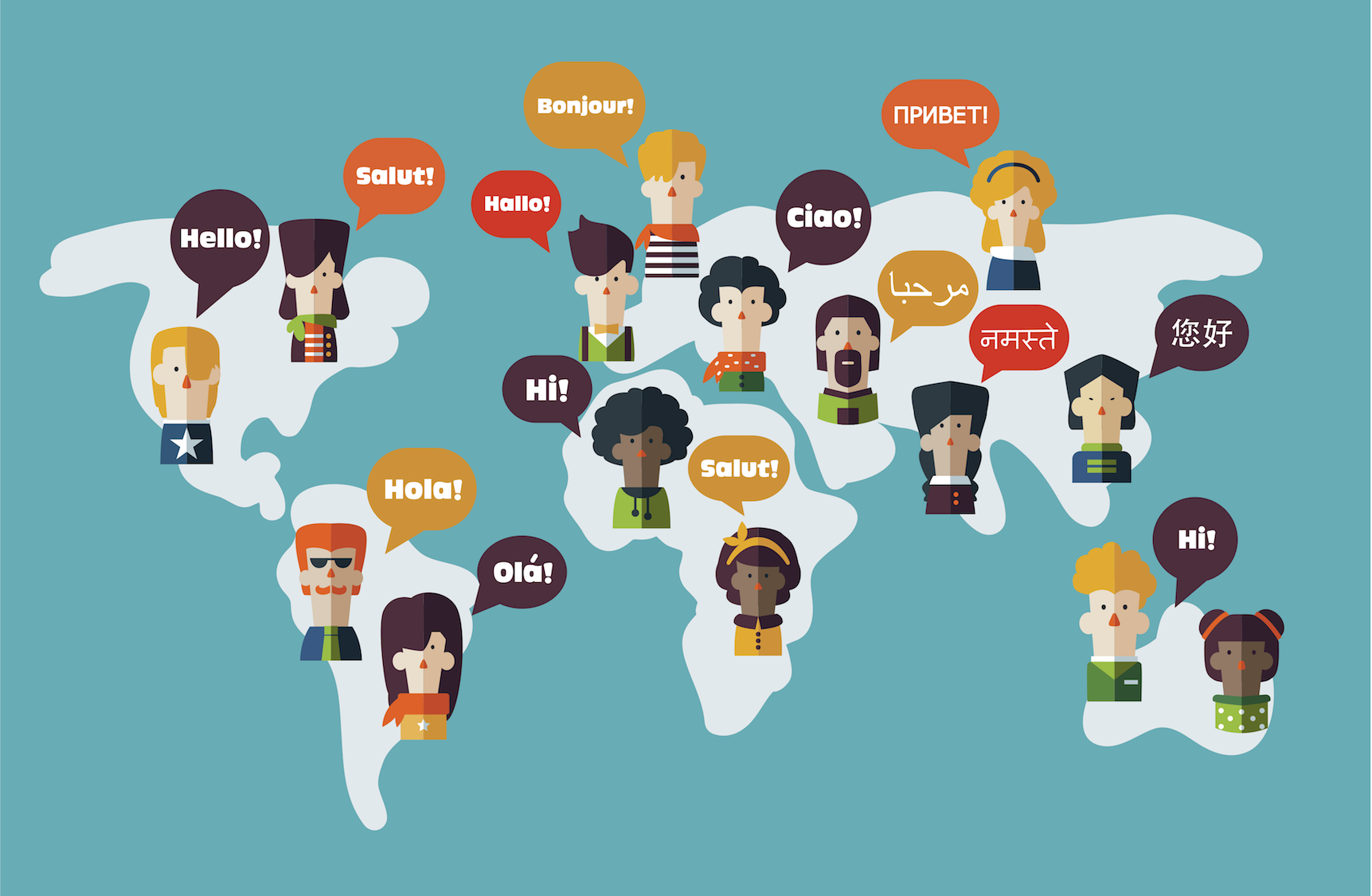
A client serving a mixed audience English + Arabic + French, noticed a pattern that was quietly killing conversions:
The conversation starts fine
The customer switches language mid-chat or mid-call
The agent scrambles (or transfers)
The customer repeats everything
Trust drops fast
That “language switch moment” is where good customer experience becomes fragile, especially in multilingual markets like MENA, Canada, Europe, and global e-commerce.
Why this is a bigger problem than most businesses think
Customers don’t just prefer their language, it affects buying behavior and loyalty.
A CSA Research survey found 76% of online shoppers prefer to buy when product info is in their native language, and 40% said they’ll never buy from sites in other languages.
Unbabel’s multilingual CX survey reported 68% of consumers prefer to speak with brands in their native language.
Intercom shared survey results showing 62% of customers are more likely to tolerate product issues if they can interact with support in their native language.
So when a customer switches languages and your support breaks… it’s not a small “nice-to-have” issue - it directly hits trust and revenue.
—
What they changed with Telephonica AI
They added Telephonica’s AI Customer Service Agent as the first layer of support, not to replace humans, but to protect the conversation when it matters most.
The upgrades that made the difference
✅ Automatic language detection (20+ languages)
The AI continues smoothly even if the customer switches languages mid-conversation.
✅ One continuous conversation
No “restart the ticket.” No “can you repeat?” The thread stays intact.
✅ Smart escalation to a human (with full context)
If it’s complex, urgent, or sensitive, it routes to a real agent with the history included.
✅ Analytics that improve the system weekly
They could finally see what customers ask most, where drop-offs happen, and what should be automated or clarified next.
Client feedback:
“It finally feels like we speak the customer’s language, without slowing down.”
—
The “Multilingual Support” playbook (what you can copy)
If you want to roll this out in a way that feels premium and human, here’s the approach:
1) Design the language switch on purpose
Don’t treat switching languages as an “edge case.”
Assume it will happen, and make continuity the goal.
2) Automate only the repetitive layer
Use AI for: hours, pricing basics, appointment booking, order status, FAQs.
Humans stay for exceptions, complaints, negotiations, sensitive info.
3) Escalation rules are the product
Define triggers like:
customer frustration / urgency
money/refunds/account changes
“talk to a human”
repeated back-and-forth without resolution
4) Improve weekly using what customers actually say
Review transcripts/call outcomes weekly:
add missing FAQs
refine routing
reduce repeated questions
improve tone/wording in each language
—
The takeaway
Most businesses don’t lose customers because their product is bad.
They lose them when the customer thinks: “This is hard. They don’t get me.”
Multilingual continuity is one of the fastest ways to make your brand feel bigger, more professional, and more trustworthy, without hiring a full multilingual support team.
CTA
Book a 💯 free consultation and we’ll map your ideal Voice AI + multilingual flow (and where humans should step in):
https://koalendar.com/e/meet-with-telephonica-team
Category:Sosial media publish
