—
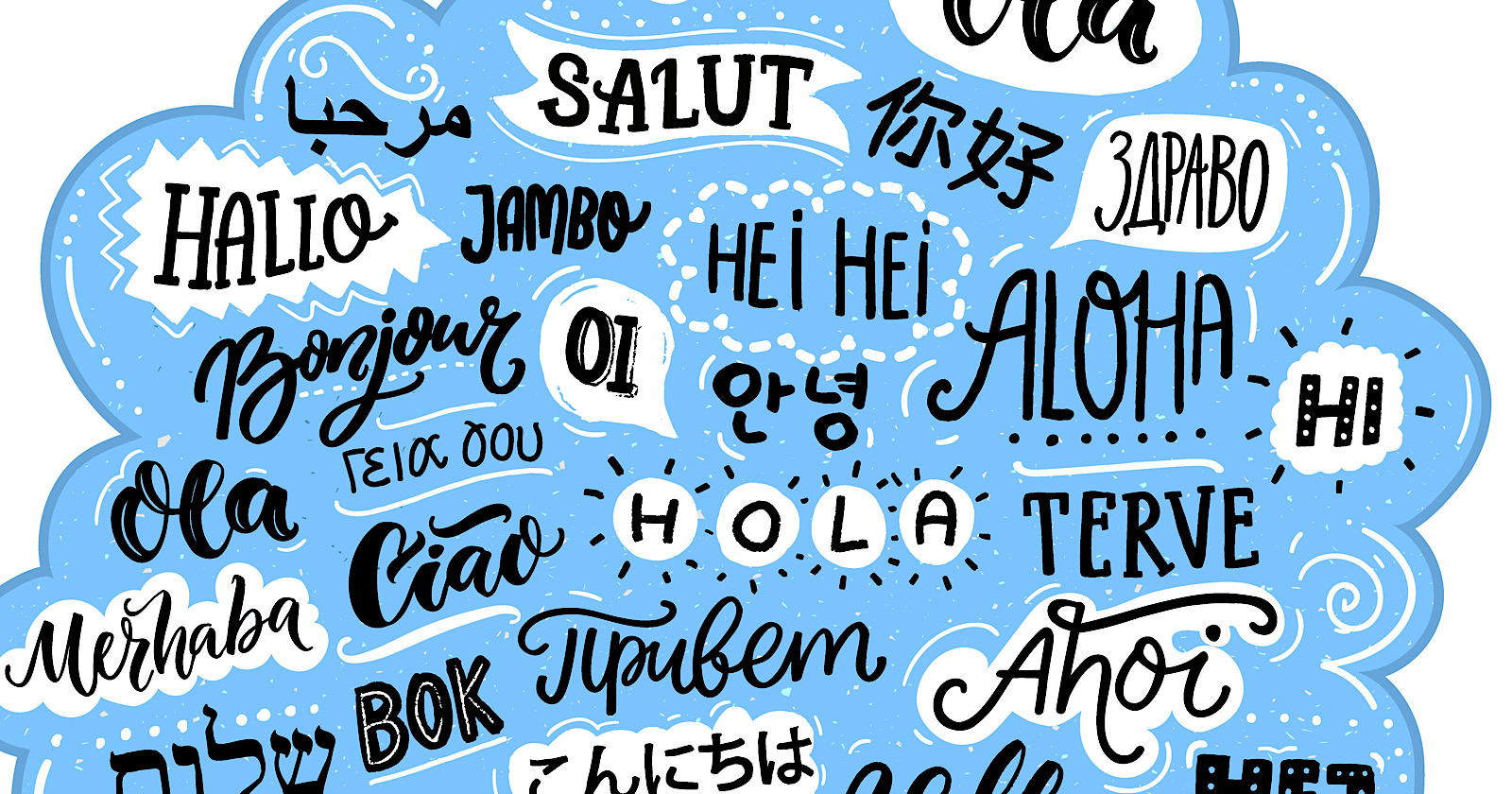
Telephonica’s AI Customer Service Agent keeps conversations flowing, without breaking context.
It starts like a normal support message:
“Hi, I need help with my order.”
Then, two messages later:
“Bonjour, j’ai un problème…”
And suddenly:
“مرحبا، ممكن تساعدني؟”
If you run customer support, you already know what happens next in most systems:
The conversation slows down.
The customer repeats themselves.
An agent has to translate or ask clarifying questions.
The ticket becomes messy, fragmented, and frustrating.
And the customer, who was already asking for help, now feels like they’re doing extra work just to be understood.
In a world where businesses serve customers across regions, languages, and time zones, language switching isn’t rare anymore. It’s normal. And it’s one of the fastest ways to expose whether a company’s “AI support” is truly intelligent, or just a scripted chatbot.
—
The Problem: Language Switching Breaks the Experience
Traditional support workflows weren’t designed for fluid multilingual communication. Many systems still operate like this:
Detect language once at the start
Lock the conversation into that language
If the user changes language → confusion, restarts, handoffs, or delays
But real customers don’t behave that neatly.
People switch languages for all kinds of reasons:
They’re bilingual and default to whatever feels easiest in the moment
They copy/paste details from emails or documents in another language
They get emotional and revert to their first language
They’re traveling or communicating on behalf of family members
They simply want to be understood faster
When support fails at that moment, it sends a message:
“We’re not built for you.”
—
Why This Matters More Than You Think
Language friction doesn’t just create “a slower chat.” It creates:
Lower customer satisfaction (because the experience feels exhausting)
Higher abandonment (customers leave mid-conversation)
Longer resolution times (agents spend time translating, re-asking, re-checking)
Higher support costs (more time per ticket)
More errors (misinterpretation, wrong routing, incomplete context)
It also creates a subtle but real trust issue:
If a customer can’t trust your support to understand them, they won’t trust you with urgent issues, or big purchases.
—
The Modern Expectation: Seamless, Multilingual, Immediate
Customers don’t compare you to “other companies in your industry” anymore.
They compare you to the best experiences they’ve had.
That means:
fast response
clear answers
a natural conversation
and no awkward resets when language changes
This is where real conversational AI makes a difference.
—
Telephonica’s Approach: AI That Detects Language Automatically, and Keeps Going
Telephonica’s AI Customer Service Agent is designed for modern customer behavior.
When a customer switches languages mid-chat, the system:
Automatically detects the new language
Responds naturally in that language
Keeps the entire conversation context intact
Maintains continuity without restarting the ticket
No “Please restart in English.”
No awkward handoff.
No broken experience.
Just: conversation → understanding → resolution.
—
Not Just Translation: Context Is the Real Superpower
A basic translator can convert words.
But customer support requires something deeper:
context + intent + continuity.
Telephonica’s AI agent focuses on:
understanding what the customer is trying to achieve
remembering what’s already been said
keeping the conversation structured even when languages change
avoiding repetitive questions
So the customer doesn’t feel like they’re explaining the same issue three times in three languages.
—
Smooth Escalation to Humans (Without Losing Anything)
Not every issue should be handled fully by AI.
The point isn’t replacing human agents, it’s supporting them.
When the issue is complex, sensitive, or urgent, Telephonica’s AI Customer Service Agent can escalate to a human agent while passing:
the customer’s request
the conversation summary
the key details
the current language
and any relevant context
That means the customer doesn’t “start over.”
The human agent starts from clarity.
This is what a good handoff feels like:
“I understand. I’ve got everything. Let’s solve it.”
—
Where This Helps Most (Real-World Use Cases)
This multilingual continuity matters in industries like:
Telecom & utilities: service requests from diverse communities
Travel & hospitality: guests switching languages depending on stress/urgency
E-commerce: orders, returns, and delivery issues from global customers
Healthcare & clinics: multilingual scheduling and patient questions
Finance & services: sensitive issues where trust and clarity matter
If your customers are bilingual, or if your business serves more than one region, this is not a “nice feature.”
It’s a competitive advantage.
—
The Bottom Line
In 2026, multilingual communication shouldn’t feel like a problem to manage.
It should feel seamless.
When customers switch languages mid-chat, that’s not a disruption,
it’s a chance to prove your support is truly modern.
Telephonica’s AI Customer Service Agent keeps conversations smooth, human-friendly, and continuous: across languages, channels, and escalations.
👉 Learn more at telephonica.ca
Category:Sosial media publish
